
Pay attention to spacing in writing

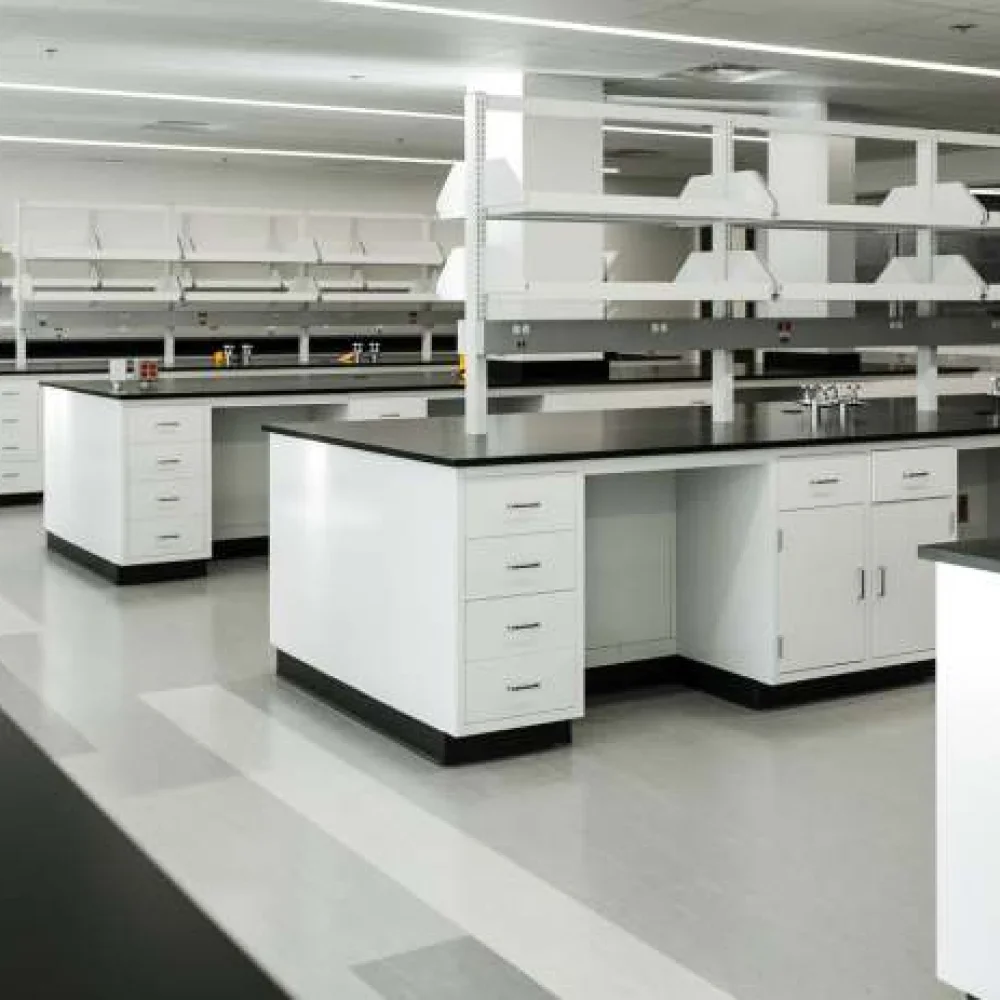
Compact Chemical Laboratory: Durable, Heat-Resistant, and Chemical-Resistant Laminate Solutions for High-Performance Labs
Product Materials
The Compact Chemical Laboratory is made from the main material, which is Compact Laminate Board, consisting of layers of kraft paper and decorative paper. This process uses high-quality melamine and phenolic resins, resulting in a durable, heat-resistant, and scratch-resistant material.
Product Advantages
Resistant to Chemicals: Ideal for laboratories exposed to acids, alkalis, and organic solvents.
Hygienic and Anti-Bacterial: The surface is non-porous, preventing bacteria growth.
Easy Maintenance: Simply clean with a soft cloth and mild cleaner.
Flexible Installation: Easy to cut and adjust to the needs of the laboratory.
Long-lasting Durability: Reduces maintenance costs in the long run.
Product Handling
Goods Transportation
Use lifting tools to move the product safely.
Avoid dropping the product to prevent damage.
Place it horizontally on a flat surface to maintain quality.
Goods Storage
Store in a dry place and protect from direct sunlight.
Stack horizontally with a flat base for long-term storage.
Installation Steps
Preparation
Prepare tools such as an electric drill, sandpaper, adhesive, and a level.
Clean the area of dust and dirt before installation.
Ensure the table frame is stable and level.
Installation
Cut the compact laminate to the required size and design.
Smooth the edges with sandpaper for a neat finish.
Install the table frame and attach the compact laminate with adhesive.
Secure with screws and add silicone sealant for protection.
Finishing
Clean off any excess adhesive and dust.
Check the joints and levelness.
Product Use
Laboratory Workstations: Resistant to aggressive chemicals and heat.
Storage Racks: Safe for equipment and chemicals.
Sterile Areas: Easy to clean and supports high cleanliness.
Wall Panels: Protects the area from chemical splashes.
Product Maintenance
Clean with a soft cloth and mild cleaner.
Immediately clean chemical spills to prevent staining.
Avoid abrasive materials and direct extreme heat on the surface.
Use protectors for hot tools and avoid excessive weight load.