
Pay attention to spacing in writing

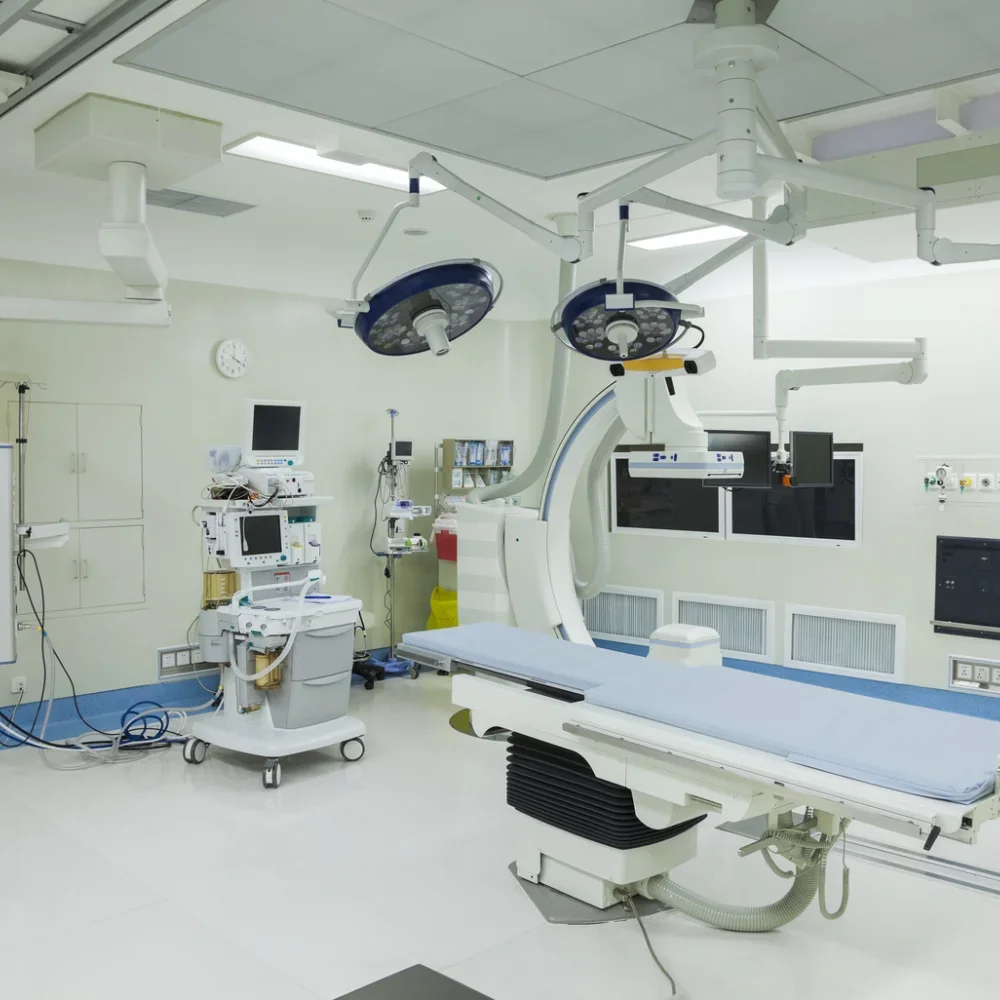
Complete Guide to Homogeneous Flooring for Healthcare Facilities
Definition of Homogeneous Flooring
Homogeneous Flooring or Hospital Vinyl Roll Flooring is a vinyl floor made from high-quality PVC (Polyvinyl Chloride) material. This floor has a homogeneous structure, where the entire layer has the same color composition from the surface to the base. This product comes in flexible rolls, making installation in large areas easier with minimal seams.
Product Advantages
Durable and Strong
The homogeneous structure makes this floor highly resistant to pressure, scratches, and wear, making it suitable for high-traffic areas like hospitals and dampening sounds from footsteps and wheels.
Easy to Clean and Maintain
Its smooth, non-porous surface prevents stain and liquid absorption, making it easy to clean with a simple cleaner, maintaining hygiene standards.
Anti-Bacterial and Hygienic
This product is often equipped with anti-bacterial technology, helping prevent the spread of microorganisms and meeting the needs of sterile environments such as operating rooms or ICUs.
Other Advantages
Anti-slip for safety
Flexible and easy to install
Resistant to chemicals and liquids
Wide range of design and color options
Installation Guide
Required Tools and Materials:
Homogeneous Vinyl flooring & accessories
Adhesive glue
Floor cleaner or scraper
Measuring tape and leveling tool
Cutter knife or vinyl cutting tool
Notched trowel
Heavy roller (50-75 kg)
Heat welding gun and welding rod
Self-leveling compound
Installation Steps:
Measure the room area accurately and cut the vinyl to size
Apply glue evenly to the subfloor
Carefully place the vinyl
Roll the vinyl while ensuring no air bubbles
Use the heavy roller to press the surface
Trim excess vinyl at the room edges
Perform heat welding on the seams
Definition of Homogeneous Flooring
Homogeneous Flooring or Hospital Vinyl Roll Flooring is a vinyl floor made from high-quality PVC (Polyvinyl Chloride) material. This floor has a homogeneous structure, where the entire layer has the same color composition from the surface to the base. This product comes in flexible rolls, making installation in large areas easier with minimal seams.
Product Advantages
Durable and Strong
The homogeneous structure makes this floor highly resistant to pressure, scratches, and wear, making it suitable for high-traffic areas like hospitals and dampening sounds from footsteps and wheels.
Easy to Clean and Maintain
Its smooth, non-porous surface prevents stain and liquid absorption, making it easy to clean with a simple cleaner, maintaining hygiene standards.
Anti-Bacterial and Hygienic
This product is often equipped with anti-bacterial technology, helping prevent the spread of microorganisms and meeting the needs of sterile environments such as operating rooms or ICUs.
Other Advantages
Anti-slip for safety
Flexible and easy to install
Resistant to chemicals and liquids
Wide range of design and color options
Installation Guide
Required Tools and Materials:
Homogeneous Vinyl flooring & accessories
Adhesive glue
Floor cleaner or scraper
Measuring tape and leveling tool
Cutter knife or vinyl cutting tool
Notched trowel
Heavy roller (50-75 kg)
Heat welding gun and welding rod
Self-leveling compound
Installation Steps:
Measure the room area accurately and cut the vinyl to size
Apply glue evenly to the subfloor
Carefully place the vinyl
Roll the vinyl while ensuring no air bubbles
Use the heavy roller to press the surface
Trim excess vinyl at the room edges
Perform heat welding on the seams